
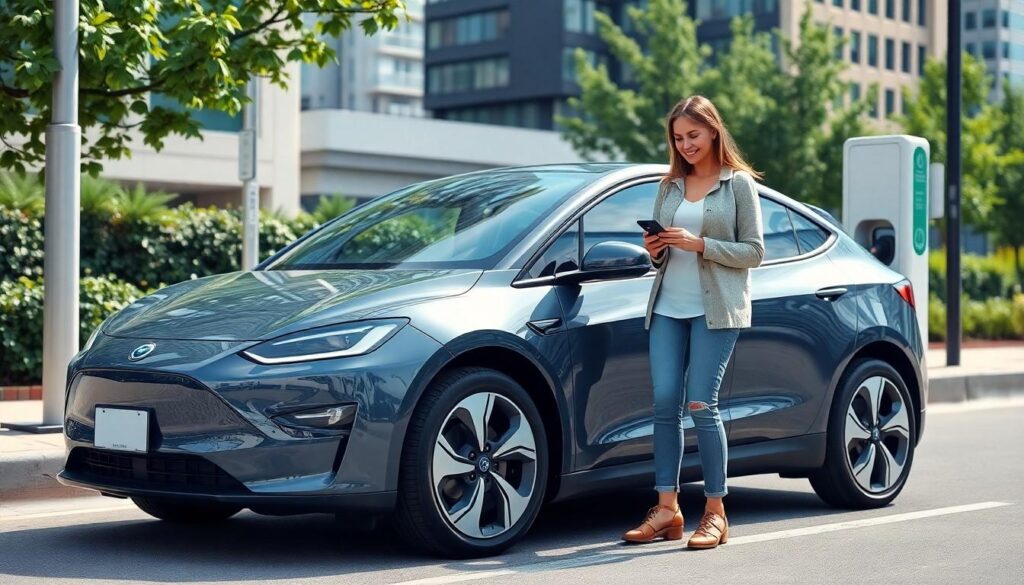
In a world where gas prices are skyrocketing faster than a squirrel on espresso, electric personal vehicles (EPVs) are turning heads and saving wallets. Gone are the days of fumbling for change at the pump; now, it’s all about plugging in, kicking back, and enjoying the ride. With sleek designs and eco-friendly vibes, these zippy little wonders are not just a trend—they’re a revolution on wheels.
Imagine gliding through city streets, knowing you’re not just getting from point A to point B, but also saving the planet one charge at a time. EPVs are the perfect blend of innovation and convenience, offering a guilt-free escape from the daily grind. As the future rolls in, it’s clear that electric personal vehicles are here to stay, and they’re ready to electrify your commute.
Overview Of Electric Personal Vehicles
Electric personal vehicles (EPVs) represent a growing trend in transportation. They cater to environmentally conscious users while offering an alternative to traditional gasoline vehicles.
Definition And Types
Electric personal vehicles include various forms of transport, such as electric cars, electric bikes, and electric scooters. Electric cars, like the Tesla Model 3 or Nissan Leaf, rely solely on battery power for operation. Electric bikes provide efficient, eco-friendly commuting options for short distances. Electric scooters present a convenient choice for city dwellers needing quick rides. Each type plays a unique role in reducing carbon footprints and promoting sustainable transport.
Benefits Of Electric Personal Vehicles
EPVs offer multiple advantages, attracting users looking for efficient transit solutions. Environmental benefits stand out, as they produce zero tailpipe emissions. Cost savings emerge from lower operating expenses compared to traditional vehicles. Maintenance tends to be less complicated due to fewer moving parts in electric motors. Convenience of home charging makes daily use easy for owners. The smooth, quiet operation enhances the riding experience, making commuting more enjoyable.
Technology Behind Electric Personal Vehicles

Electric personal vehicles rely on advanced technologies to enhance their performance and user experience. Two critical components are battery technology and charging infrastructure.
Battery Technology
Lithium-ion batteries dominate the electric personal vehicle market due to their energy density and cost-effectiveness. Efficiency plays a significant role in modern battery designs, leading to longer ranges per charge. Battery packs can feature capacities typically ranging from 15 kWh in smaller vehicles to over 100 kWh in larger electric cars. Continuous advancements in solid-state battery technology promise increased safety and quicker charging times. Manufacturers prioritize recycling initiatives for batteries to minimize environmental impacts and promote sustainable practices.
Charging Infrastructure
Charging infrastructure is essential for the widespread adoption of electric personal vehicles. Public charging stations include Level 2 chargers, which provide about 25 miles of range per hour and DC fast chargers, offering up to 200 miles of range in 30 minutes. Large urban areas and major highways often feature a growing network of these stations to support EV users. Governments and private companies emphasize investments to expand charging options, aiming to increase convenience for electric vehicle owners. Home charging systems create additional convenience, allowing users to power their vehicles overnight and start each day with a full battery.
Market Trends And Statistics
Electric personal vehicles (EPVs) are experiencing significant growth, reflecting shifting consumer preferences. These vehicles attract buyers with their eco-friendliness and economic benefits.
Growth In Electric Personal Vehicle Sales
Global sales of electric personal vehicles increased by 108% in 2021, reaching 6.6 million units. In 2023, the market share for EPVs rose to approximately 14% of total vehicle sales. As consumer awareness and charging infrastructure improve, projections estimate sales will hit 30 million by 2030. The push for sustainability drives this upward trend, encouraging more individuals to adopt EPVs.
Major Manufacturers And Their Offerings
Leading manufacturers in the EPV market are actively expanding their product lines. Tesla remains a dominant player, with models like the Model 3 and Model Y appealing to a wide audience. Ford’s investment in electrification includes the F-150 Lightning, catering to traditional truck buyers. Other major manufacturers, such as Volkswagen and Hyundai, also introduce competitive electric models, further enhancing market options. As competition intensifies, innovation accelerates, fostering a diverse range of vehicles for consumers.
Environmental Impact
Electric personal vehicles (EPVs) significantly influence environmental sustainability. Their design and operation prioritize eco-friendly practices, leading to notable benefits for the planet.
Reduction In Carbon Emissions
EPVs contribute to a substantial reduction in carbon emissions. A study by the Union of Concerned Scientists shows that electric cars emit, on average, 50% fewer greenhouse gases than traditional gasoline vehicles over their lifetime. Fewer tailpipe emissions mean improved air quality in urban areas. EPVs help decrease reliance on fossil fuels, further supporting renewable energy initiatives. Continuous growth in renewable energy sources, such as solar and wind, enhances the environmental impact of using electric vehicles, leading to even lower emissions.
Sustainable Practices In Manufacturing
Manufacturing processes for EPVs increasingly adopt sustainable practices. Companies now focus on sourcing materials responsibly to minimize ecological harm. For instance, some manufacturers use recycled metals in batteries, helping reduce waste. Additionally, green energy often powers manufacturing facilities, decreasing their carbon footprint. As the industry evolves, investment in sustainable innovations is crucial for enhancing overall environmental benefits. Prioritizing sustainable practices not only supports current trends but also sets a strong foundation for the future of transportation.
Challenges Facing Electric Personal Vehicles
Electric personal vehicles encounter several challenges that affect their widespread adoption. Understanding these obstacles helps to outline the pathway for a successful future.
Range Anxiety
Range anxiety remains a significant concern for potential electric personal vehicle users. Many individuals worry about battery life and the distance their vehicles can travel before needing a charge. While advancements in battery technology have improved ranges, concerns persist, especially for drivers who frequently take longer trips. The average electric car can travel around 250 to 300 miles on a full charge. Expanding the charging infrastructure could alleviate this anxiety by ensuring more locations are available for recharging en route. As more Level 2 and DC fast chargers are added, users may feel more confident about longer journeys.
Cost And Affordability
Cost and affordability significantly hinder electric personal vehicle market growth. High initial purchase prices deter many potential buyers, even though expenditures decrease over time through savings on fuel and maintenance. In 2021, the average price of an electric vehicle reached around $55,000, making it less accessible for budget-conscious consumers. Incentives, such as tax credits and rebates, play a crucial role in encouraging adoption. Many states offer financial assistance, reducing the effective price. As production scales up and technology advances, prices are projected to decline, making electric personal vehicles more affordable and appealing.
Electric personal vehicles are reshaping the future of transportation. With their eco-friendly designs and innovative technology, they offer a sustainable alternative to traditional vehicles. As charging infrastructure continues to expand and battery technology advances, the barriers to adoption are gradually diminishing.
The growing market indicates a strong consumer interest and commitment to reducing environmental impact. Major manufacturers are responding by diversifying their electric offerings, ensuring there’s something for everyone.
As society moves towards greener solutions, EPVs will likely play a pivotal role in creating cleaner urban environments and enhancing mobility options for all. Embracing this shift not only benefits individual users but also contributes to a healthier planet for future generations.


